Subscribe to Love Mondays newsletter updates via email »
LM: #392: Breaking books
A video has been floating around of books being chopped up so AI companies can read the contents.
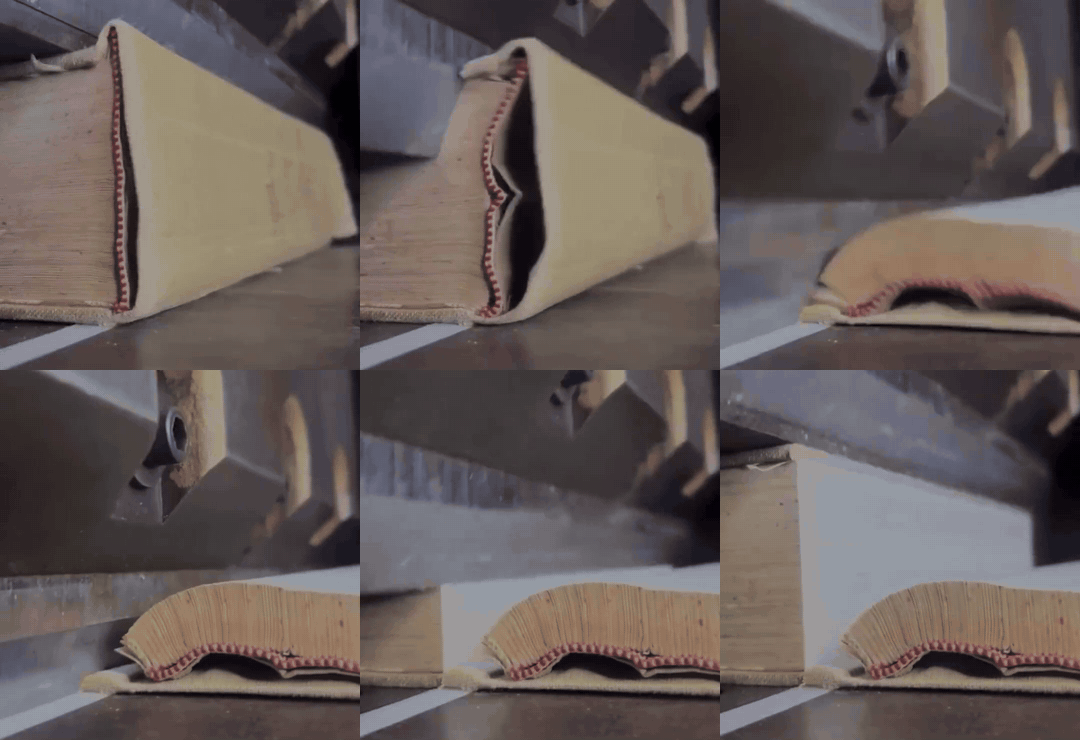
While it’s tragic some of these are rare books, this isn’t the first time someone wanted to chop up books to get to the information.
WANT TO WRITE A BOOK?
Download your FREE copy of How to Write a Book »
(for a limited time)
Paul Otlet once envisioned a sort of “encyclopedia of the world.” He pictured a workstation at which you could access all information.
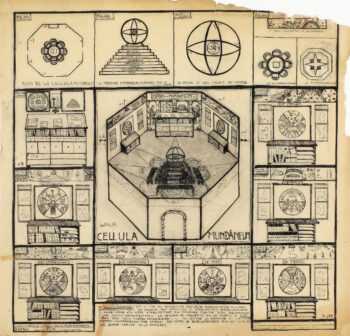
The problem, he thought, was the information was locked away in books.
He pictured a global network of knowledge workers that would process new books, articles, and other media.
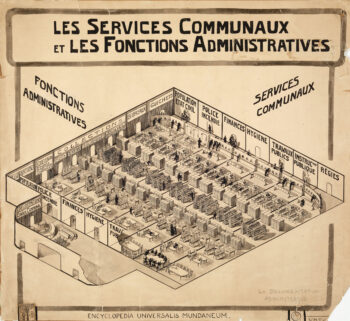
In preparation for this, he developed his own coding system, in which numbers and symbols would be mixed and matched to create endless combinations of topics.
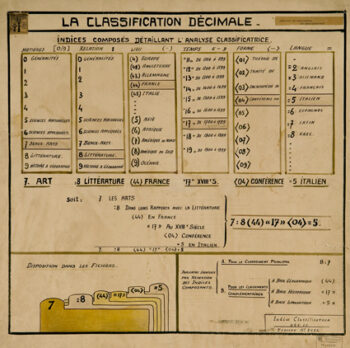
He kept in touch with Melvil Dewey, who declined to incorporate this because it would use too many resources.
Otlet was a huge fan of index cards and card-catalogues, like libraries once used to organize according to the more-limited Dewey Decimal system.
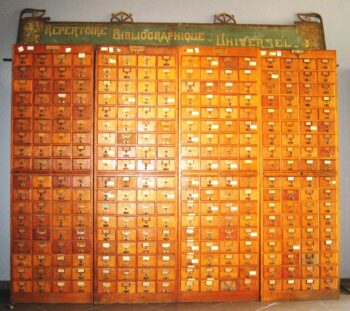
He built a sort of “Google-by-mail” service. You could mail in a question, and they would send you a bunch of index cards telling you in what books and articles you could find the answers.
Otlet was not, however, a fan of the format of the book. He envisioned that publishers would instead print a series of index cards, each containing an individual fact.
I’m sure he would be blown away by LLMs.
Book: Cataloging the World (Amazon) tells the story of Paul Otlet, who in the early decades of the 1900s aimed to break all the world’s information down to millions of index cards.
Cool: History of information is a website with an astounding amount of detail on the subject.
Best,
David
P.S. You can actually pay less than Amazon ordering the Getting Art Done trilogy directly from my store.